 In the realm of sports and fitness, athletes are constantly seeking ways to optimize their performance and reach new heights. One crucial metric that plays a pivotal role in determining an individual's aerobic capacity is known as VO2 max. In this blog post, we will delve into the concept of VO2 max, its testing methods, its relevance for athletes, and its implications for longevity and mortality. Additionally, we are excited to announce that we will soon be offering VO2 max measurements using the PNOĒ system, a cutting-edge technology revolutionizing performance assessment.
Understanding VO2 Max: VO2 max, or maximal oxygen consumption, is a measure of the maximum amount of oxygen an individual can utilize during intense exercise. It serves as a reliable indicator of an athlete's cardiovascular fitness and endurance capacity. Essentially, VO2 max represents the efficiency of the body's oxygen utilization, reflecting the ability to deliver oxygen to working muscles and remove waste products efficiently. Testing VO2 Max: VO2 max is typically assessed through specialized laboratory tests, such as the graded exercise test. During this test, an athlete performs progressively intense exercise while wearing a mask that measures the volume of inhaled and exhaled air. Simultaneously, heart rate, oxygen consumption, and carbon dioxide production are monitored. By analyzing these data, experts can determine an individual's VO2 max value accurately. Benefits for Athletes: Knowing one's VO2 max value can be immensely beneficial for athletes. It provides a comprehensive understanding of their aerobic capacity, allowing them to tailor training programs to their specific needs. Athletes can identify their strengths and weaknesses, enabling them to focus on areas that require improvement. Moreover, VO2 max serves as a benchmark for tracking progress over time, ensuring training efforts are effective and yielding desired results. Interpreting VO2 Max Values: VO2 max values are expressed in milliliters of oxygen per kilogram of body weight per minute (ml/kg/min). Generally, higher values indicate superior cardiovascular fitness and endurance potential. Elite endurance athletes often possess VO2 max values above 70 ml/kg/min, while average individuals may fall within the range of 30-40 ml/kg/min. However, it is important to note that VO2 max values can vary based on factors such as age, gender, genetics, and training background. Longevity and Mortality: Beyond athletic performance, VO2 max has been linked to longevity and mortality rates. Research suggests that individuals with higher VO2 max values tend to have a reduced risk of cardiovascular diseases, obesity, and premature death. Regular exercise and maintaining a high VO2 max can contribute to overall health and well-being, promoting a longer and healthier life. Introducing PNOĒ System: Excitingly, we are thrilled to announce that we will soon be offering VO2 max measurements using the PNOĒ system. PNOĒ delivers clinical lab-grade accuracy in measuring metabolic, heart, lung and cellular fitness, and provides the gold standard in nutrition and exercise personalization. With its non-invasive and user-friendly design, athletes can now easily access their VO2 max data, empowering them to optimize their training and achieve their full potential. Conclusion: VO2 max is a vital metric for athletes, providing insights into their aerobic capacity and endurance potential. By understanding their VO2 max value, athletes can tailor their training programs, track progress, and optimize performance. Moreover, higher VO2 max values have been associated with improved longevity and reduced mortality rates. With the upcoming availability of VO2 max measurements using the PNOĒ system, athletes can unlock a new level of performance assessment and take their training to unprecedented heights.
0 Comments
 In our quest for a long and fulfilling life, we often look for inspiration from those who have achieved remarkable longevity. The Blue Zones, five regions around the world with the highest concentration of centenarians, offer valuable insights into the habits and lifestyles that contribute to their exceptional health and longevity. Let's explore each of these zones - Loma Linda, CA, Nicoya Costa Rica, Sardinia Italy, Icaria Greece, and Okinawa Japan - and discover how we can incorporate their practices into our own lives.
1. Loma Linda, CA: Located in Southern California, Loma Linda stands out for its high concentration of Seventh-day Adventists. Their faith encourages a healthy lifestyle, emphasizing a plant-based diet, regular exercise, and a day of rest. The community's strong sense of purpose and close-knit social connections contribute to their longevity. 2. Nicoya, Costa Rica: In Nicoya, Costa Rica, the locals attribute their long lives to a combination of a plant-based diet, physical activity through daily chores, and a strong sense of community. Their diet is rich in beans, corn, and tropical fruits, while their social connections and support systems foster a sense of belonging and purpose. 3. Sardinia, Italy: Sardinia, an island in the Mediterranean, boasts the highest concentration of male centenarians. The Sardinian lifestyle revolves around a plant-based diet, rich in whole grains, legumes, and goat's milk. Physical activity is an integral part of their daily routine, with walking being a common mode of transportation. Strong family ties and a deep-rooted sense of community contribute to their longevity. 4. Icaria, Greece: Icaria, a small Greek island, is known for its relaxed pace of life and low-stress levels. The inhabitants follow a Mediterranean diet, rich in vegetables, olive oil, and herbal teas. Regular physical activity, such as gardening and walking, is a natural part of their daily lives. The close-knit community and emphasis on socializing and enjoying life contribute to their overall well-being. 5. Okinawa, Japan: Okinawa, an island in Japan, is renowned for its high number of centenarians. The Okinawan diet, known as "Hara Hachi Bu," emphasizes eating until one is 80% full. Their diet consists of nutrient-dense foods like sweet potatoes, tofu, and seaweed. Regular physical activity, such as gardening and martial arts, keeps them active. Strong family bonds, social support, and a sense of purpose contribute to their longevity. Similarities and Findings: Despite their geographical and cultural differences, the Blue Zones share common lifestyle practices that contribute to longevity: 1. Movement: Regular physical activity is an integral part of their daily lives, often in the form of natural movements like walking, gardening, and household chores. 2. Sense of Purpose: Having a strong sense of purpose and a reason to wake up each day contributes to their overall well-being and longevity. 3. Stress Reduction: Blue Zone inhabitants have lower stress levels due to their relaxed lifestyles, strong social connections, and emphasis on leisure and enjoyment. 4. Diet: A predominantly plant-based diet, rich in whole grains, legumes, fruits, and vegetables, forms the foundation of their eating habits. They consume minimal processed foods and practice portion control. 5. Family and Social Life: Strong family bonds, social support, and a sense of belonging are crucial factors in their longevity. 6. Spirituality: Many Blue Zone communities have a spiritual or religious foundation that provides a sense of purpose, community, and support. Incorporating Blue Zone Habits into Our Lives: To optimize our health and longevity, we can adopt some of the practices observed in the Blue Zones: 1. Prioritize movement: Incorporate physical activity into your daily routine, such as walking, gardening, or taking the stairs. 2. Find your purpose: Discover activities that bring you joy and a sense of fulfillment, whether through work, hobbies, or volunteering. 3. Manage stress: Practice stress reduction techniques like meditation, deep breathing, or engaging in activities that help you relax and unwind. 4. Embrace a plant-based diet: Increase your intake of fruits, vegetables, whole grains, and legumes while reducing processed foods and practicing portion control. 5. Cultivate social connections: Foster meaningful relationships, spend time with loved ones, and engage in community activities to strengthen your social support network. 6. Nourish your spirituality: Explore practices that align with your beliefs, such as meditation, prayer, or engaging in acts of kindness and gratitude. Conclusion: The Blue Zones offer us valuable insights into the habits and lifestyles that contribute to exceptional health and longevity. By incorporating movement, purpose, stress reduction, a plant-based diet, strong social connections, and spirituality into our lives, we can optimize our health and increase our chances of living a long and fulfilling life. Let's learn from these remarkable communities and embark on our own journey towards well-being and longevity. 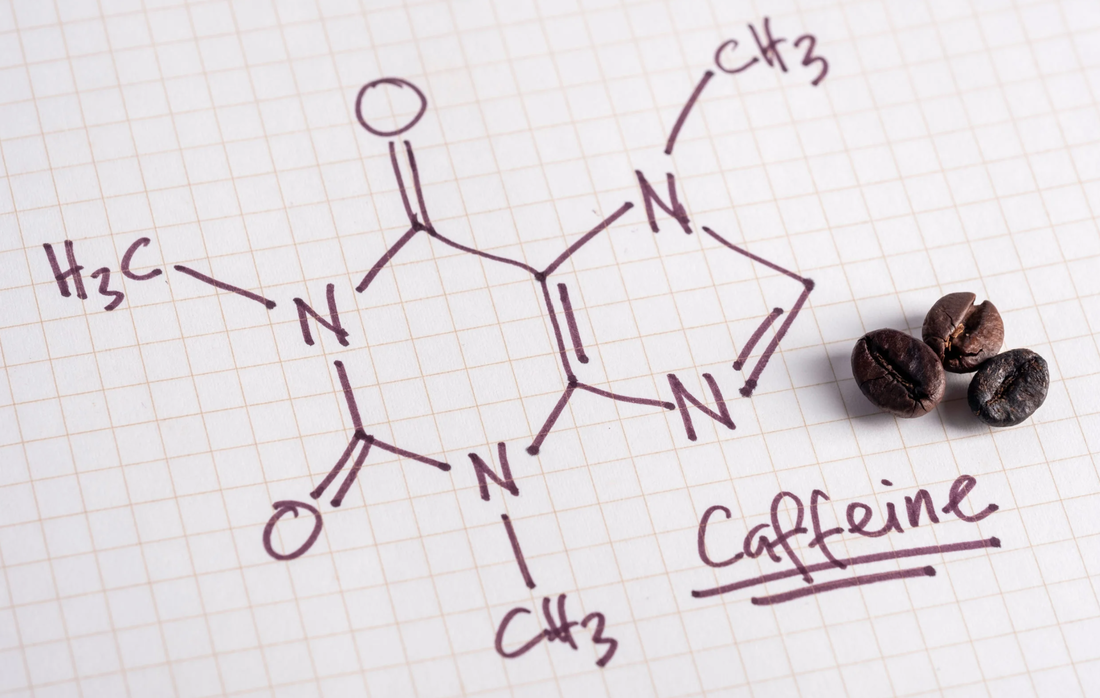 As I sit here sipping my third cup of coffee for the day, I can't help but think about my love-hate relationship with caffeine. On one hand, I can't function without it. On the other hand, I know it's not the healthiest habit to have especially for my sleep. But let's dive deeper into the world of caffeine and see what it's all about.
History of Caffeine Use Caffeine has been used for centuries in different parts of the world. The earliest recorded use of caffeine was in China in 2737 BC, where it was used as a tea. In the Middle East, coffee was first brewed in the 15th century, and it quickly spread to Europe and the rest of the world. Today, caffeine is consumed in various forms, including coffee, tea, energy drinks, and even chocolate. Health Benefits of Caffeine Caffeine has been shown to have several health benefits, especially in regards to fitness, nutrition, and metabolism. It can help improve athletic performance by increasing endurance and reducing fatigue. It can also boost metabolism and aid in weight loss. Additionally, caffeine has been linked to a reduced risk of several diseases, including Parkinson's, Alzheimer's, and liver disease. Caffeine Dosage and Timing The recommended daily caffeine intake for adults is 400mg, which is roughly equivalent to four cups of coffee. However, it's important to note that caffeine affects everyone differently, and some people may be more sensitive to it than others. It's also important to be mindful of when you consume caffeine, as it can affect your sleep. It's best to avoid caffeine in the late afternoon and evening to ensure a good night's rest. Negative Effects of Caffeine While caffeine has its benefits, it's important to be aware of its negative effects as well. Consuming too much caffeine can lead to jitters, anxiety, and even heart palpitations. It can also disrupt sleep, which can have a negative impact on overall health. If you're someone who struggles with sleep, it's best to avoid caffeine altogether or limit your intake to the morning hours. In conclusion, caffeine is a complex and fascinating substance that has been used for centuries. While it has its benefits, it's important to be mindful of its negative effects and consume it in moderation. As for me, I'll continue to enjoy my daily dose of caffeine, but I'll also make sure to listen to my body and know when it's time to cut back.  Water is essential for our body to function properly, and staying hydrated is crucial for our overall health and well-being. On this special day, let's take a moment to discuss the importance of hydration and how we can ensure we're getting enough fluids.
Water is not only important for our organs, including our brain, heart, and lungs, but also for our body systems. It helps regulate body temperature, transport nutrients and oxygen to cells, and remove waste products. Additionally, staying hydrated is essential for exercise and fitness, as it helps regulate body temperature and prevent dehydration. In addition to water, there are several essential electrolyte minerals that play a role in hydration. Sodium helps regulate fluid balance in the body, while potassium and magnesium help regulate muscle and nerve function. Calcium is also important for hydration, as it helps with muscle contractions and nerve function. When we don't get enough fluids, our body starts to show signs of dehydration such as dry mouth, fatigue, dizziness, and headaches. If left untreated, dehydration can lead to more severe symptoms like rapid heartbeat, low blood pressure, and even fainting. Additionally, dehydration can affect our weight loss goals. Drinking water before meals can help reduce appetite and calorie intake, leading to a healthier weight. The recommended daily water intake varies depending on several factors, including age, gender, and activity level. However, a general guideline is to drink at least eight 8-ounce glasses of water per day. It's also important to note that other fluids, such as tea and juice, can contribute to your daily water intake as well. If you struggle with staying hydrated, there are several tips you can try to improve your water intake. One tip is to carry a water bottle with you throughout the day, so you always have water on hand. Another tip is to flavor your water with fruit or herbs to make it more enjoyable to drink. Additionally, eating water-rich foods, such as fruits and vegetables, can also help contribute to your daily water intake. On this National Hydration Day, let's make a commitment to stay hydrated and take care of our bodies. Remember, drinking enough water is not only essential for our health but also for our weight loss goals. Stay hydrated, stay healthy!  Dopamine is a neurotransmitter that plays a crucial role in the brain's reward system. It is responsible for feelings of pleasure, motivation, and reinforcement. Certain foods, drugs, and alcohol can increase dopamine levels in the brain by varying degrees. For example, consuming chocolate has been shown to increase dopamine levels by up to 50%, while cocaine can cause a surge of dopamine that is up to 350% higher than normal levels. Alcohol consumption has been shown to increase dopamine levels by up to 40%. However, these substances can also lead to addiction and other health problems. On the other hand, cold exposure has been shown to increase dopamine levels by up to 250%. According to a study published in the European Journal of Applied Physiology, immersion in cold water can cause a significant increase in dopamine levels. The study found that when participants were immersed in water at a temperature of 14°C, their dopamine levels increased by up to 250%. The study also found that immersion in warmer water (32°C) had the opposite effect, causing a decrease in dopamine levels. This suggests that the temperature of the water plays a crucial role in the body's physiological response. Another study published in the journal "Neuroscience Letters" found that exposing rats to cold temperatures for 30 minutes increased dopamine levels in the brain by 250%. The researchers also found that the increase in dopamine levels was accompanied by an increase in norepinephrine levels, which is a neurotransmitter that can increase dopamine release. In addition to affecting dopamine levels, cold water immersion has been shown to have other health benefits. It can improve circulation, reduce inflammation, increase metabolism, and boost the immune system. It has also been used as a form of therapy for depression and anxiety. Increased dopamine levels can lead to improved motivation, focus, and productivity. The Risks of Cold Water Immersion While cold water immersion is generally safe for healthy adults, there are some people who should avoid it, such as people with heart conditions or respiratory problems. It is also important to start slowly and gradually increase the amount of time you spend in cold water. Some of the risks of cold water immersion include:
How to Start Cold Water Immersion Safely If you are interested in trying cold water immersion, it is important to start slowly and gradually increase the amount of time you spend in cold water. Here are some tips for starting cold water immersion safely:
There are many different ways to do cold water immersion. Some of the most popular methods include:
Cold water immersion has been shown to have a number of potential benefits for physical and mental health. Some of the potential benefits of cold water immersion include:
Dopamine is a crucial neurotransmitter that plays a role in the brain's reward system. Certain foods, drugs, and alcohol can increase dopamine levels, but they can also lead to addiction and other health problems. Cold exposure has been shown to increase dopamine levels by up to 250% and has numerous potential benefits for physical and mental health. It is important to prioritize healthy habits that promote overall well-being and to be mindful of the ways in which we can increase dopamine levels naturally. I hope this blog post has been informative. If you are interested in learning more about cold water immersion, I recommend doing some research on the topic or send me a message. References:
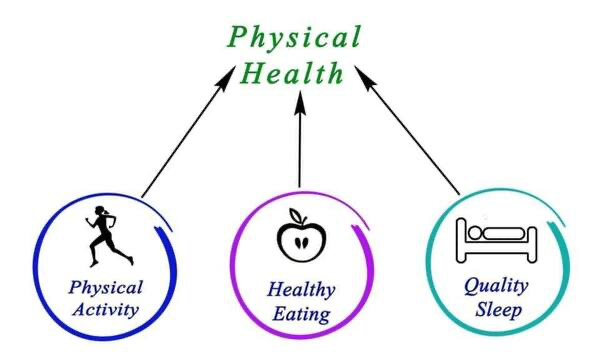 The pillars of health are physical activity, healthy eating, and quality sleep. These three pillars are essential for maintaining good health and well-being. Each pillar plays a crucial role in our overall health, and neglecting any one of them can have a significant impact on our health.
Physical activity is essential for maintaining a healthy body weight, reducing the risk of chronic diseases, and improving mental health. Regular exercise can help improve cardiovascular health, strengthen bones and muscles, and boost the immune system. Examples of physical activity include walking, running, cycling, swimming, and strength training. Healthy eating is crucial for providing the body with the nutrients it needs to function correctly. A balanced diet that includes a variety of fruits, vegetables, whole grains, lean proteins, and healthy fats can help reduce the risk of chronic diseases such as heart disease, diabetes, and cancer. Eating a healthy diet can also help maintain a healthy weight and improve mental health. Quality sleep is essential for overall health and well-being. Getting enough sleep can help improve mood, cognitive function, and physical performance. Lack of sleep can lead to a range of health problems, including obesity, diabetes, and heart disease. Adults should aim for 7-9 hours of sleep per night. Incorporating daily habits to help each pillar is essential for maintaining good health. For physical activity, try to incorporate at least 30 minutes of moderate-intensity exercise into your daily routine. For healthy eating, aim to eat a balanced diet that includes a variety of fruits, vegetables, whole grains, lean proteins, and healthy fats. For quality sleep, establish a regular sleep routine and avoid electronic devices before bedtime. At Elevation Health Solutions, we specialize in improving health by focusing on these pillars with our coaching and habit-building programs. Our programs are designed to help individuals establish healthy habits that can be sustained over time. We work with individuals to develop personalized plans that incorporate physical activity, healthy eating, and quality sleep. Our coaching and habit-building programs are designed to help individuals achieve their health goals and improve their overall well-being. In conclusion, physical activity, healthy eating, and quality sleep are essential pillars of health. Neglecting any one of these pillars can have a significant impact on our health. Incorporating daily habits to help each pillar is essential for maintaining good health. At Elevation Health Solutions, we specialize in improving health by focusing on these pillars with our coaching and habit-building programs.  Father's Day is a special occasion to honor the men who have played a significant role in shaping our lives. As we celebrate this day, it's crucial to remember the importance of health for our fathers. Losing my stepdad to heart failure and my father to lung disease were tough experiences that made me realize the significance of taking care of our health.
As we age, our bodies go through various changes, and it becomes more important than ever to maintain our health. Encouraging our fathers to exercise regularly, eat healthier, improve their sleep quality, and manage any existing health conditions with their healthcare provider can help them live a long and healthy life. Maintaining a healthy weight is also crucial for good health. Encourage your father to eat a balanced diet and engage in physical activities that he enjoys. Helping our fathers quit smoking or abusing alcohol can also have a significant impact on their health. In addition to physical health, healthy relationships are also vital to our mental health. A good relationship with our fathers can provide us with a sense of security, support, and love. Here are some tips on how to have a good relationship with our fathers: 1. Communicate openly and honestly 2. Spend quality time together 3. Show appreciation and gratitude 4. Respect each other's boundaries 5. Forgive and let go of grudges By following these tips, we can build and maintain a healthy relationship with our fathers, which can have a positive impact on our mental health. Let's celebrate our fathers this Father's Day by showing them how much we care and appreciate them. One way to show appreciation is by making them a healthy and delicious meal and then enjoying a fun exercise activity that you can do together such as taking a walk or playing a game. As fathers, it's important to care for ourselves so that we can lead our families and be there for them for years to come. A healthy father can actively play with and teach his children how to live healthy lives. By setting a good example, we can inspire our children to adopt healthy habits that will benefit them throughout their lives.  For those of us who are believers, it's also important to take care of our spiritual health. Taking time to honor our Heavenly Father can bring peace and joy to our lives. As fathers, we have the opportunity to teach our children how to live a faith-filled life. By sharing our beliefs and values with them, we can help them develop a strong foundation for their own spiritual journey.
In conclusion, this Father's Day, let's celebrate our fathers by encouraging them to take care of their health, building healthy relationships with them, and nurturing our spiritual health. By making small changes to our lifestyle and following the tips for building a good relationship, we can live a long and healthy life. As fathers, let's also take care of ourselves so that we can be there for our families for years to come. Happy Father's Day!  Cold therapies have been used for centuries to improve health and well-being. From cold showers to cold plunges and cryotherapy, these therapies have been known to provide numerous benefits to the body. In this blog post, we will compare and contrast these three cold therapies, discuss their benefits and drawbacks, and provide recommendations for new users. Cold showers are a simple and accessible form of cold therapy. They involve taking a shower with cold water, typically at a temperature of 60°F or lower. Cold showers have been shown to improve circulation, boost the immune system, and reduce inflammation. They can also help improve mood and increase energy levels. However, one of the drawbacks of cold showers is that they can be uncomfortable, especially for those who are not used to cold water. It can take some time to get used to the sensation of cold water on the skin. Additionally, cold showers may not be suitable for those with certain medical conditions, such as Raynaud's disease. To enhance the experience of a cold shower, it is recommended to start with warm water and gradually decrease the temperature. This can help the body adjust to the cold water more easily. It is also important to limit the duration of the shower to no more than 5-10 minutes. Cold plunges involve immersing the body in cold water, typically at a temperature of 50°F or lower. They are often used in conjunction with hot saunas or steam rooms to provide a contrast therapy. Cold plunges have been shown to improve circulation, reduce inflammation, and boost the immune system. The diving response is a physiological response that occurs when the body is exposed to cold water. It is a natural reflex that helps the body conserve oxygen and redirect blood flow to the vital organs. The diving response is activated when the face is submerged in cold water, causing a decrease in heart rate and blood pressure. This response can help improve circulation and reduce inflammation in the body. One of the benefits of cold plunges is that they can provide a sense of invigoration and energy. They can also help improve recovery after exercise or injury. However, like cold showers, cold plunges can be uncomfortable and may not be suitable for those with certain medical conditions. It also is not very convenient in warm weather climates and takes time to create the ideal tub to plunge in and method for keeping it cold. I highly recommend the Portable Ice Bath from Nurecover for home use as it is very cost effective and convenient.  However, the Ultimate experience involves plunging in a cold lake, river or creek. Please be very careful when swimming in open bodies of water, take extra safety precautions and never go alone. To enhance the experience of a cold plunge, it is recommended to start with a shorter duration, such as 30 seconds, and gradually increase the time. It is also important to monitor the body's response and avoid staying in the cold water for too long.  Cryotherapy involves exposing the body to extremely cold temperatures, typically between -110°F and -140°F, for a short period of time, usually 2-3 minutes. Cryotherapy has been shown to reduce inflammation, improve circulation, and boost the immune system. It is often used by athletes and those with chronic pain or inflammation. One of the benefits of cryotherapy is that it can provide a quick and efficient way to reduce inflammation and improve recovery. However, cryotherapy can be expensive and may not be accessible to everyone. It is also important to note that cryotherapy may not be suitable for those with certain medical conditions, such as Raynaud's disease. To enhance the experience of cryotherapy, it is recommended to wear dry clothing and avoid getting wet before the session. It is also important to follow the instructions of the trained professional administering the therapy. We are proud to offer Cryotherapy in our office and happy to help you experience the therapeutic benefits.  Cold therapies have been shown to provide numerous benefits to the body, both physical and mental. These therapies can help improve circulation, reduce inflammation, boost the immune system, and increase energy levels. They can also help reduce stress and anxiety levels, improve sleep quality and duration, and increase mental focus and clarity. Cold therapies have been shown to increase metabolism, improve insulin sensitivity, and help with weight loss. It is important to start slowly and gradually increase the duration and intensity of the therapy. It is also important to consult with a healthcare professional before starting any new therapy, especially if you have a medical condition.
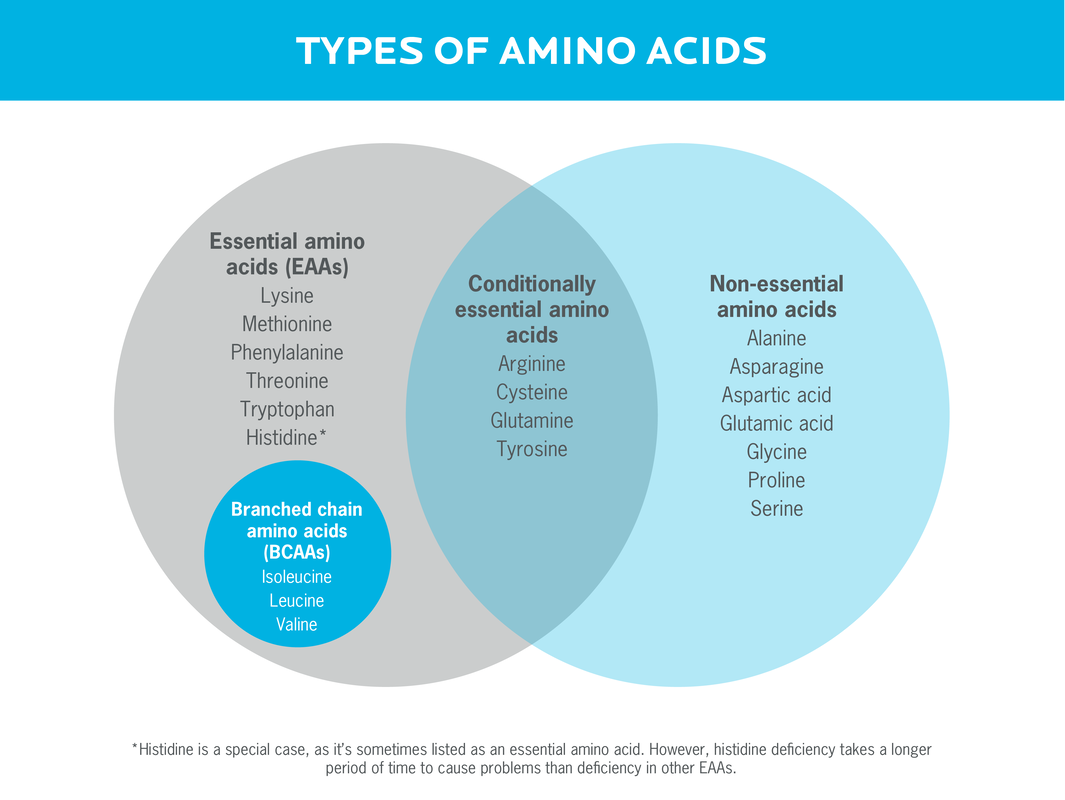 Essential amino acids (EAAs) are the building blocks of protein and are crucial for maintaining good health. There are nine essential amino acids that our bodies cannot produce on their own, so we must obtain them through our diet or supplements. In this blog post, we will discuss the importance of each of the nine essential amino acids and their benefits for our health. We will also compare and contrast EAAs with branched-chain amino acids (BCAAs) and provide recommendations on when to take them.
1. Histidine: Histidine is important for the growth and repair of tissues, as well as the production of red and white blood cells. It also helps to regulate pH levels in the body. 2. Isoleucine: Isoleucine is essential for the formation of hemoglobin, which carries oxygen in the blood. It also helps to regulate blood sugar levels and promotes muscle recovery after exercise. 3. Leucine: Leucine is important for muscle growth and repair. It also helps to regulate blood sugar levels and promotes the production of growth hormone. 4. Lysine: Lysine is important for the production of collagen, which is essential for healthy skin, bones, and connective tissue. It also helps to support the immune system and promote wound healing. 5. Methionine: Methionine is important for the production of glutathione, which is a powerful antioxidant that helps to protect the body from damage caused by free radicals. It also helps to support liver function and promote healthy skin, hair, and nails. 6. Phenylalanine: Phenylalanine is important for the production of neurotransmitters, which are essential for brain function and mood regulation. It also helps to promote the production of melanin, which is responsible for skin and hair color. 7. Threonine: Threonine is important for the production of collagen and elastin, which are essential for healthy skin, hair, and connective tissue. It also helps to support the immune system and promote wound healing. 8. Tryptophan: Tryptophan is important for the production of serotonin, which is a neurotransmitter that helps to regulate mood, appetite, and sleep. It also helps to support the immune system and promote healthy skin and hair. 9. Valine: Valine is important for muscle growth and repair. It also helps to regulate blood sugar levels and promote the production of growth hormone. EAAs are often used as a supplement to help support muscle growth and recovery, as well as overall health and wellness. They are often compared to BCAAs, which are a subset of EAAs that are particularly important for muscle growth and recovery. While BCAAs are important, they do not provide all of the essential amino acids that our bodies need for optimal health. When to take EAAs depends on your individual needs and goals. Some people prefer to take them before or after exercise to support muscle growth and recovery, while others may take them throughout the day to support overall health and wellness. Benefits of taking EAAs include improved muscle growth and recovery, increased energy and endurance, and improved immune function. In conclusion, essential amino acids are crucial for maintaining good health and supporting muscle growth and recovery. Each of the nine essential amino acids plays a unique role in our health, and supplementing with EAAs can provide a range of benefits. When considering taking EAAs, it is important to choose a high-quality supplement and to consult with a healthcare professional to determine the best dosage and timing for your individual needs. 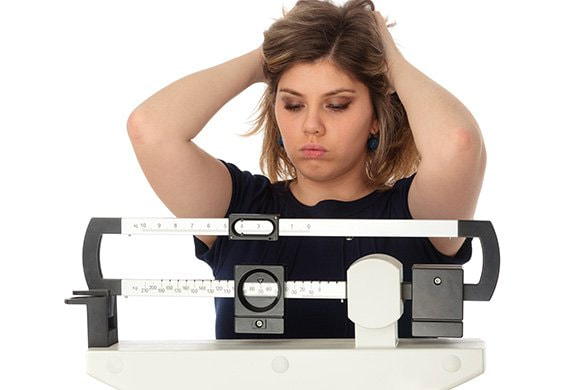 Are you stuck at a certain weight? Do you feel like your weight loss journey has plateaued? The body weight set point could be why.
The body weight set point theory is a fascinating concept that sheds light on the complex mechanisms that regulate our weight. According to this theory, the body has a natural weight range that it tries to maintain, and it can be difficult to lose weight beyond this range. The body weight set point is regulated by a part of the brain called the hypothalamus, which receives signals from the body and adjusts its output accordingly. One of the key hormones involved in the body weight set point is leptin, which is produced by fat cells and acts on the hypothalamus to reduce hunger and increase metabolism. When you try to lose weight, your body may resist by slowing down your metabolism and increasing your hunger levels. This is because your body is trying to maintain its set point and prevent you from losing too much weight too quickly. Unfortunately, this can sometimes lead to weight loss plateaus, where you stop losing weight even though you're still following your diet and exercise plan. This can be frustrating and demotivating, but it's important to remember that it's a natural part of the weight loss process. In addition to leptin, ghrelin and insulin are two other hormones that play a role in the body weight set point theory. Ghrelin is produced by the stomach and stimulates hunger. When you lose weight, your levels of ghrelin increase, which can make you feel hungrier and more likely to overeat. This can make it difficult to maintain weight loss and can contribute to the body's resistance to losing weight beyond its set point. Insulin is a hormone produced by the pancreas that helps regulate blood sugar levels. When you eat carbohydrates, your body releases insulin to help transport glucose into your cells for energy. However, when you consume too many carbohydrates or have insulin resistance, your body may produce too much insulin, which can lead to weight gain and difficulty losing weight. Both ghrelin and insulin can contribute to the body's resistance to losing weight beyond its set point. By managing your diet and lifestyle to help regulate these hormones, you can help reset your body's natural weight range and continue on your weight loss journey. To manage ghrelin levels, it's important to eat a balanced diet that includes protein, fiber, and healthy fats. These nutrients can help keep you feeling full and satisfied, which can help reduce hunger and prevent overeating. It's also important to avoid skipping meals or going too long without eating, as this can cause ghrelin levels to increase. To manage insulin levels, it's important to eat a balanced diet that includes complex carbohydrates, protein, and healthy fats. Avoiding processed foods and sugary drinks can also help regulate insulin levels. Exercise can also help improve insulin sensitivity, which can make it easier to lose weight and maintain a healthy weight. The body weight set point theory is part of the body's natural homeostasis, which is the process by which the body maintains a stable internal environment despite changes in the external environment. Homeostasis is essential for our survival, as it helps us maintain a stable body temperature, blood pressure, and other vital functions. The body weight set point is similar to a thermostat in that it regulates the body's weight in the same way that a thermostat regulates the temperature in a room. Just as a thermostat maintains a set temperature range, the body weight set point maintains a set weight range. When the temperature in a room gets too hot or too cold, the thermostat adjusts the heating or cooling system to bring the temperature back within the set range. Similarly, when the body's weight gets too high or too low, the body weight set point adjusts hunger and metabolism to bring the weight back within the set range. The body weight set point is thought to have evolved as a survival mechanism to help us maintain a healthy weight when food was scarce. In times of famine, the body would slow down metabolism and increase hunger to help us conserve energy and find food. However, in modern times, food is abundant and easily accessible, which can make it difficult to maintain a healthy weight. By understanding the body weight set point theory and how it is part of homeostasis, we can better understand why it can be difficult to lose weight and maintain a healthy weight. It's important to remember that the body weight set point is not a fixed number, and it can be influenced by factors such as diet, exercise, and lifestyle. By making healthy choices and implementing the strategies outlined above, we can help reset our body's natural weight range and achieve our weight loss goals. To break past a weight loss plateau, there are a few things you can try: 1. Change up your exercise routine: If you've been doing the same workout for a while, your body may have adapted to it. Try switching things up by trying a new type of exercise or increasing the intensity of your current routine. 2. Re-evaluate your diet: Are you still eating the same foods and portion sizes as when you started your weight loss journey? It may be time to re-evaluate your diet and make some changes to help jumpstart your weight loss again. 3. Get enough sleep: Lack of sleep can disrupt your hormones and make it harder to lose weight. Make sure you're getting enough sleep each night to help support your weight loss efforts. 4. Manage stress: Stress can also disrupt your hormones and make it harder to lose weight. Find ways to manage your stress, such as through meditation, slow breathing exercies, or other relaxation techniques. 5. Gradual weight loss: Rapid weight loss can trigger your body's starvation response and make it harder to lose weight in the long term. Aim for a gradual weight loss of 1-2 pounds per week to help avoid this. 6. Strength training: Building muscle can help increase your metabolism and make it easier to maintain weight loss. Incorporate strength training into your exercise routine to help build muscle and burn more calories. 7. Mindful eating: Paying attention to your hunger and fullness cues can help you avoid overeating and maintain a healthy weight. Practice mindful eating by eating slowly, savoring your food, and stopping when you feel satisfied, rather than when you're stuffed. In conclusion, the body weight set point theory is a complex and fascinating concept that sheds light on the mechanisms that regulate our weight. By understanding how the body weight set point works and implementing healthy lifestyle changes, we can help reset our body's natural weight range and achieve our weight loss goals. Remember that weight loss plateaus are a natural part of the weight loss process, and there are strategies you can use to break past them and continue on your weight loss journey. With patience, persistence, and a healthy lifestyle, you can achieve your weight loss goals and maintain a healthy weight for life. |
AuthorDamian Solorzano is Health and Wellness Influencer, Respiratory Specialist and Health Coach who is passionate about optimizing personal health. Categories
All
Archives
March 2024
|


 RSS Feed